
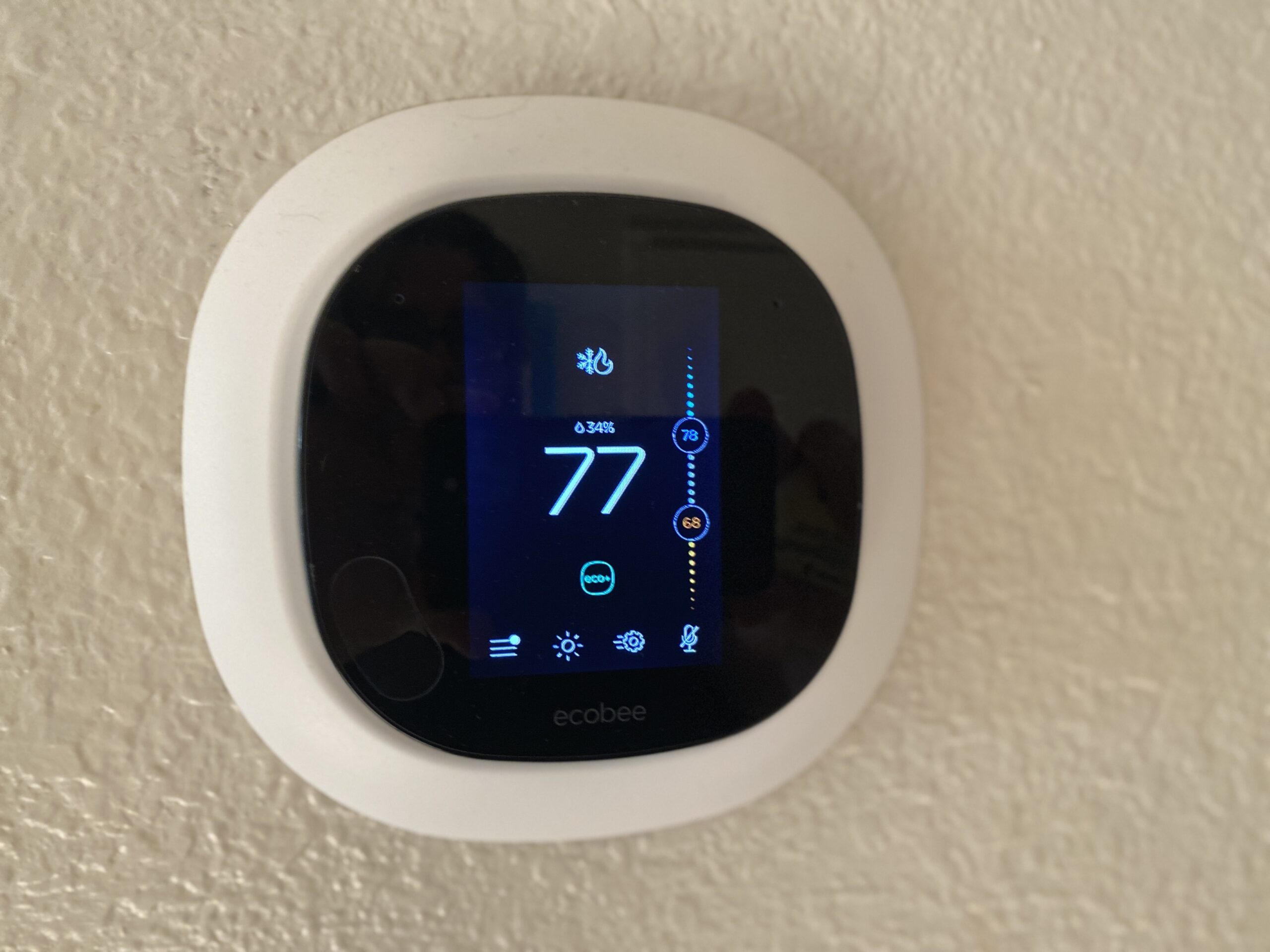

So far in 2026, we’ve had an early taste of heat, then some rain and now we a return to some cooler Spring weather. Don’t let that easy-breezy weather out there, however, lull you into a sense of false security because the heat will be here soon enough no matter what happens in April or May. In fact, a drier and warmer El Nino weather pattern is expected in Southern California for the months of June, July, August and September according to multiple national weather forecasts.
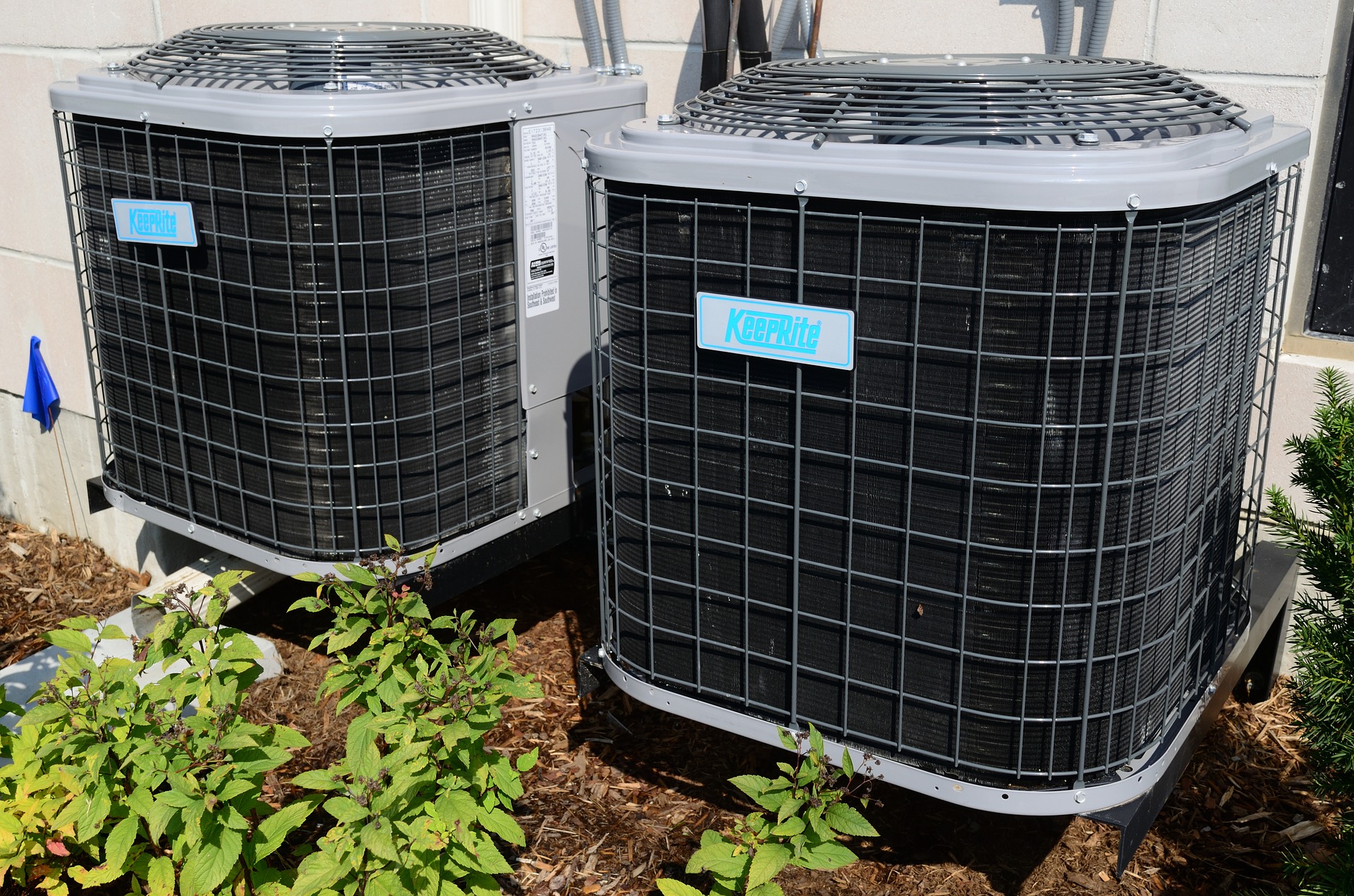
That weather forecast, if it holds, likely will mean that your home HVAC will be working overtime, often 18-24 hours a day in the peak season summer months and could now use some preventative tender-loving care (TLC). Your HVAC systems is really the work-horse appliance in every home. They also need regular maintenance or you’re asking for big trouble sooner or later.
When, not if, your neglected HVAC system goes down for the count, the wait for a service call also can take days, especially in the summer months when breakdowns are a common daily occurrence. The smarter and often less expensive solution is to add an HVAC annual maintenance contract, which includes two regular services calls to take care of the little stuff before it becomes a big deal. Nobody wants to sweat it out waiting for HVAC repairs.
HVAC-Related Structural and Energy Efficiency Issues
Deferred or delayed HVAC maintenance also can lead to significant home issues beyond the repair or replacement of an aging air conditioning unit. For example, neglected condenser fluid leaks in attic units can lead to expensive structural, soggy insulation, pests move in and ceiling damage occurs. When you look “up top” in the attic, structural and insulation damage is often far more serious than a cosmetic ceiling brown water stain visible in the living room.
There are three common types of attic insulation, fiberglass, cellulose and foam spray or panels. They all have their advantages depending on the R-Value of insulation (heat protection), the installation process and the total installed cost. The one thing they all have in common is that none of them mix well with water from leaking HVAC condensers, fire sprinklers or other sources (roof leaks).
Get Professional Help First
When disaster strikes or if you’re updating a classic mid-century or historical home’s attic, insulation or re-roofing, you can count on the expert, licensed engineers at Helfrich Associates to guide you. When there’s big trouble, we can perform an in-depth forensic review to identify causes (water leaks, wood rot, fires, pests, earthquake) and recommend a cost-effective repair plan for you and your contractors of choice.
If the damage is covered by your insurance company, your claims adjuster will want to know the causes, etc. With over 30-years of experience, we’ve helped thousands of homeowners and their insurance adjustors throughout the West recover successfully from almost every kind of home disaster, including water or fluid leaks from HVAC units, automated fire sprinkler piping and old shake roofing.
We can work with you every step of the way from determining the cause of the problems, estimating the fair cost of repairs, acting as expert witnesses in court and helping you evaluate proposals from different contractors. When required, we’ll even inspect post construction to make sure the repair job has been done right the first time to give you years of trouble-free living and peace-of-mind.
Preventing HVAC Problems
The old saying, “an ounce of prevention is worth a pound of cure,” is certainly applicable to HVAC maintenance. Your HVAC contractor of choice should at least once a year do three things: (1) inspect the attic for signs of condenser unit water leaks and blocked water exit piping, (2) inspect the compressor unit to determine that refrigerant levels are adequate (no leaks) and (3) replace the air filters throughout your home. The second visit in the winter should cover inspecting your home furnace for natural gas leaks.
With the concerns about global warming, Freon refrigerants and equipment electrical energy efficiency, there are at least two new wrinkles to consider about older units. Freon refrigerants are being phased out, and not all older units work well with the replacement refrigerants. Newer units also require less electricity to run. The green-friendly refrigerant and the energy-saving cost benefits of a new unit could well be worth the expense in the long run.